Roll the dice.
Read our take.
ADHD board game reviewsQuick hot takes, collection suggestions, and game night opinions from someone who owns too many boxes. For giveaways, fun hashtag posts and casual posting – follow us on Instagram!
-
Latest Overview
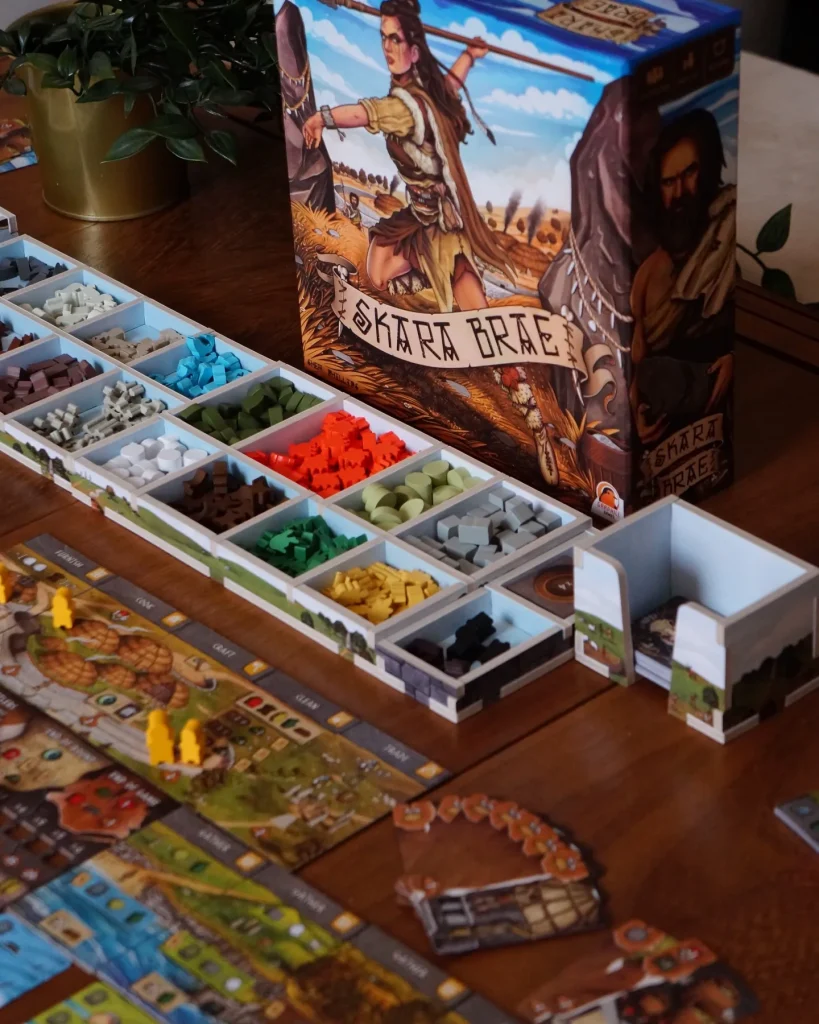
Skara Brae by Garphill Games – Board Game Overview
A solitaire game I didn’t think I would enjoy, but I was very wrong!
ItsYourTurnBG – The home of ADHD board game content
Welcome to ItsYourTurn.BG, your go to hub for ADHD board game reviews and hyper-focused hobby content. We deliver quick hot takes, collection suggestions, and game night opinions from someone who owns too many boxes. Whether you are looking for games that actually hold your attention or clever organization tips, find fun hashtag posts and casual gaming insights built specifically for neurodivergent brains – and don’t forget to follow us on Instagram!
What is Spoon Theory?
Spoon theory was first described by Christine Miserandino in 2003 as a way to explain the lived experience of managing chronic illness, disability, or neurodivergence.
Imagine you start each day with a limited set of spoons – representing your finite daily energy units. Healthy, neurotypical individuals often wake up with an abundant or seemingly unlimited supply of spoons, while those managing mental or physical differences start with a severely restricted number.
Every single activity, from taking a shower to answering an email, costs one or more spoons. When the spoons run out, your day is effectively over – you cannot simply push through without borrowing spoons from tomorrow’s reserve, causing a compounding exhaustion or “crash”.
“The difference in being sick and being healthy is having to make choices or to consciously think about things when the rest of the world doesn’t have to.” – Christine Miserandino, The Spoon Theory
How is it relevant to board games?
We decided to bring the Spoon Theory into board games because they are highly interactive, multi-system puzzles. For many, they are a source of great joy, but they also demand varying levels of cognitive energy. Choosing the wrong game when you are running low on spoons can turn a fun evening into an overwhelming, stressful chore. Whilst BoardGameGeek is a decent way of determining complexity, it doesn’t go into details such as; rulebook clarity, setup fatigue, requiring memory etc.
Here is how we calculate the Spoon Rating for each review: